
Table of contents
- Why Duplicate Content on Service Pages matters?
- What do users mean when they search about duplicate content on service pages?
- The single biggest mistaken assumption that blocks recovery
- How to change page and site structure so search engines pick the right version?
- What to do first to stop spreading effort too thin?
- Tactics that feel productive but don’t move the needle
- How you will notice progress and when not to celebrate too early?
- Which direction to choose now depending on how your site is built?
- Duplicate Content on Service Pages – frequently asked questions
If your service pages look almost the same across multiple URLs, search engines struggle to pick which one to show and your visibility suffers. Duplicate Content on Service Pages is not just a technical label — it is the reason the right page may never surface for queries that matter. You can recover positions by making clear choices about which page represents which user intent and by fixing structure, signals and content in a targeted order.
Why Duplicate Content on Service Pages matters?
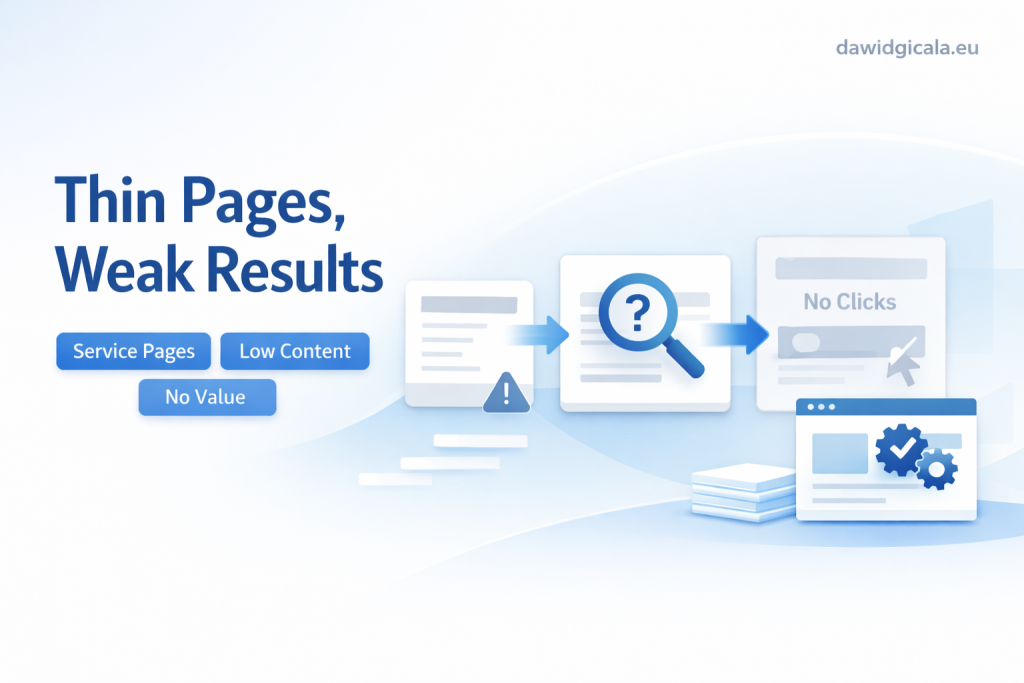
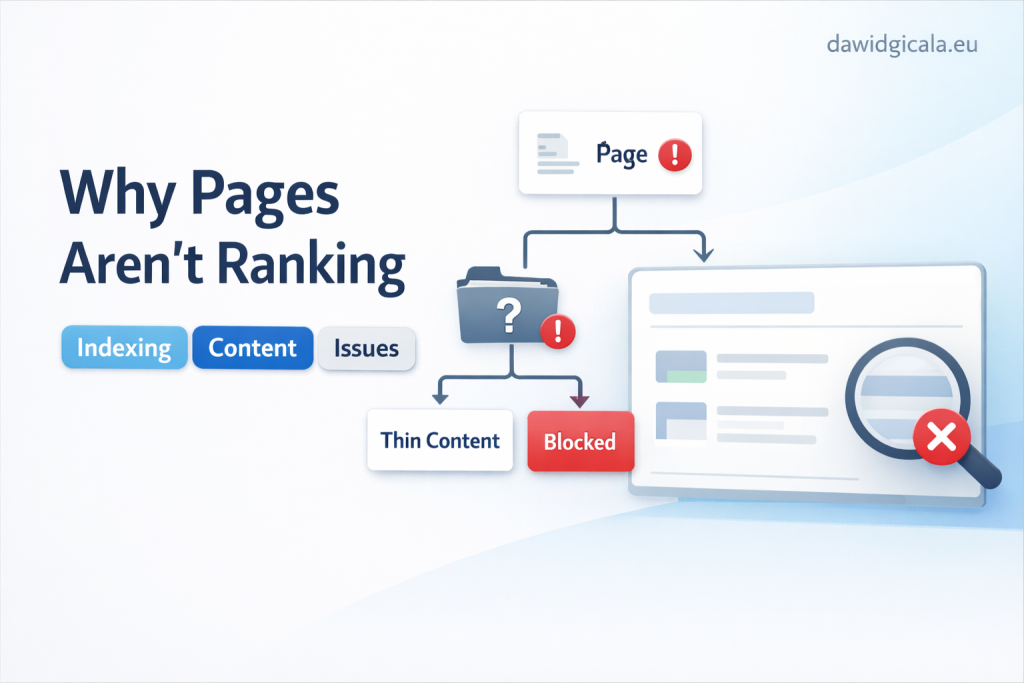
Search engines try to give searchers a single best answer, so when several of your pages say the same thing they compete with each other instead of helping you win one spot. When the algorithm sees similar titles, headings and body copy on multiple service pages it often reduces visibility for all of them rather than selecting the one you think is most important. That creates a situation where impressions and clicks remain low even though you invested time and budget in multiple pages that essentially replicate a single idea.
What do users mean when they search about duplicate content on service pages?
Users often mean that they expected a specific service page to appear for a local or product-related query and instead saw a different page from the same site, or no pages at all from that website. They look for distinct outcomes like price, scope, location or a case example, and if your pages do not clearly match those intents the search engine cannot match them reliably.
Where chaos usually starts is when you create separate pages for small variations — such as service A in City X, service A in City Y, or nearly identical service descriptions for two related offerings — without meaningful differences in content, structure or links. You then try to tweak titles and meta descriptions or add thin local references, but the underlying pages remain interchangeable in the eyes of the crawler and the algorithm.
The single biggest mistaken assumption that blocks recovery
Many people assume that a canonical tag or a noindex directive alone will fix the problem and restore visibility to the preferred page, but those are only part of a solution and often used as a band-aid. If the site still has many competing pages with similar internal links, similar anchor text and similar on-page signals, search engines continue to see a cluster of low-differentiation pages and the authority that should concentrate on one URL remains diluted.
The more effective fix is to decide which pages should exist, which should be consolidated and which should be removed, then align content and internal linking to make that decision obvious. Treating canonical, redirect or meta solutions as substitutes for real content differentiation and structural clarity is what keeps sites stuck.
See more about my website work.
How to change page and site structure so search engines pick the right version?
Start by mapping every service page that looks similar and label its target audience and primary intent in one sentence; this makes it easy to see overlaps and true differences. For pages that genuinely target different intents, add unique, intent-focused sections: specific benefits, case studies, pricing ranges, or locally relevant details that a user would expect to find on that URL and nowhere else.
If two pages try to solve the same user problem, merge them into a single stronger page and use a 301 redirect from the old URL to the consolidated one so authority is preserved. After consolidation, update internal links and navigation so the chosen page receives clear, consistent anchor text and sits in the logical place within your site hierarchy.
If you must keep multiple pages because business needs demand geographic or product variations, make the variations meaningful and visible: unique H1s, different service descriptions, client examples, and different FAQs that reflect local or product-specific questions. Those differentiators give search engines the signals they need to treat each URL as a distinct answer rather than duplicate clutter.
What to do first to stop spreading effort too thin?
Pick one or two pages that should represent a service globally or per location and make them the primary focal points for traffic and links; improving those pages moves measurable metrics quickly. Work on consolidating or removing the weakest duplicates for those services first, because a single clearly dominant page will gain impressions and clicks faster than many competing thin pages.
After consolidation, shift internal links to the chosen pages and update site menus or service listings to reflect the new structure so future content and links naturally strengthen the preferred URLs. That focus reduces churn and keeps subsequent SEO work — like improving content depth or building relevant links — from being wasted across multiple similar pages.
Tactics that feel productive but don’t move the needle
Rewriting a few sentences here and there or changing title tags on many duplicate pages without altering the actual content value rarely helps; small cosmetic edits keep pages in the same equivalence class for search engines. Similarly, tagging lots of pages as canonical to a preferred URL while leaving both pages accessible and linked widely keeps the ambiguity alive and prevents authority from consolidating where it counts.
Another low-return move is mass noindexing of duplicate pages without addressing the reasons those URLs were created, because you lose potential entry points and user journeys that could be repurposed into meaningful content. The more effective approach is to combine technical actions with decisive editorial and structural changes so your effort yields durable gains.
How you will notice progress and when not to celebrate too early?
A reliable sign of progress is consistent improvement in impressions and clicks for the pages you designated as primary, along with a reduction in impressions for the old duplicate URLs as they are redirected or removed. You may also see better crawl efficiency and fewer duplicate content notices in your site diagnostics, and organic traffic should stabilize upward over a few weeks to months rather than overnight.
Which direction to choose now depending on how your site is built?
If your site is small and you control content easily, consolidate duplicates into a few strong pages, redirect the rest and rewrite the chosen pages with clear intent and unique local or use-case content; that’s the fastest path to visible recovery. If your site is large or uses many template-driven pages, prioritize the highest-traffic or highest-intent groups for consolidation and apply templates that enforce unique sections by default to prevent future duplication.
Get in touch about your website.
Duplicate Content on Service Pages – frequently asked questions
Duplicate Content on Service Pages causes common frustration because it hides the page you want people to find. The FAQ below addresses practical steps you can take and the typical traps that delay recovery.
Do I always need to 301 redirect duplicate service pages?
Not always; if two pages serve different user intents you should keep them but differentiate the content, while pages that truly offer the same outcome are best consolidated and redirected to preserve link equity and reduce competition.
Can a canonical tag alone fix duplicate visibility problems?
A canonical tag helps when duplicates are unavoidable, but it won’t substitute for poor content or conflicting internal links; use it alongside consolidation, clear internal linking and unique content where possible.
Should I noindex pages that look similar until I fix them?
Noindex can temporarily remove duplicates from search results, but overuse can reduce useful entry points; prefer redirects or content differentiation and use noindex only as a short-term control while you implement lasting fixes.
How should I choose the primary page when multiple similar service pages exist?
Pick the page that best matches user intent, has the strongest backlinks or internal links, and can be expanded with unique value; then consolidate others toward that URL and update links across the site.
Will changing URLs to be more descriptive help with duplicate issues?
Clear, intent-reflecting URLs help both users and search engines, but URL changes must be paired with redirects, content improvements and link updates so the change actually concentrates authority on the right page.
How long does it take to see recovery after fixing duplicate service pages?
Expect measurable signals like improved impressions and clicks within a few weeks, but full recovery often takes several months as search engines re-crawl, re-evaluate authority and adjust rankings, so avoid judging results too quickly.
MY SERVICES
Choose the service that fits your project
Choose the area where you need a concrete implementation, better results or further development.
Search engine optimization
Content, landing pages, internal linking and ongoing organic visibility growth.
View SEO servicesWordPress & WooCommerce Websites
New websites and online stores, technical improvements and further development.
View website servicesGoogle Ads | Offer
Campaign setup, management and ongoing optimisation.
View Google Ads servicesSponsored posts and link building
Publications, content and external links matched to your industry and project.
View link building services