Table of contents
- What business performance really means for a WordPress website?
- How a WordPress website supports (or blocks) real business goals?
- Why traffic alone is a misleading success metric?
- How to measure real business impact step by step?
- Common mistakes in measuring website performance
- How better measurement improves leads, sales, and SEO results?
- When measuring business performance becomes critical
- How to connect WordPress with analytics, CRM, and marketing tools?
- What to do when data is unclear or misleading?
- Who should help you set this up and why experience matters?
- WordPress business performance – frequently asked questions
Most WordPress websites look fine on the surface, but very few are measured in a way that reflects real business impact. Owners check traffic, rankings, and basic analytics, yet still struggle to explain how the website actually supports sales or lead generation. This article focuses on WordPress business performance from a practical, non-technical perspective. It shows how to move beyond vanity metrics, connect a WordPress site with real business goals, and measure what truly matters for growth, decision-making, and long-term results.

What business performance really means for a WordPress website?
For many small businesses, a WordPress website is treated as a digital brochure. It exists, looks fine, maybe even gets traffic, but no one really checks whether it helps the business grow. WordPress business performance is not about design, plugins, or even traffic numbers. It’s about whether the website supports real business goals: inquiries, sales, booked calls, or qualified leads. A high-performing website answers one simple question: does this site help me make better business decisions and earn more money? If you can’t answer that clearly, performance is probably measured in the wrong way.
How a WordPress website supports (or blocks) real business goals?
A WordPress site can support your business in many ways, but it can also quietly block growth. It supports business goals when visitors understand the offer quickly, actions are clear (contact, quote, purchase), and user behavior is tracked properly. It blocks goals when users get lost in content, forms don’t convert, or you have data but no insight. Most issues are not technical. They come from missing connections between the website, user intent, and business expectations. The site works, but it works in isolation, not as part of a business system.
Why traffic alone is a misleading success metric?
Traffic is easy to measure, so it’s often overvalued. A growing number of visitors feels like progress, but traffic alone doesn’t pay invoices. A site with 300 visits and 10 good inquiries is often more valuable than one with 10,000 visits and no action. Traffic becomes misleading when it comes from the wrong audience, it doesn’t match the offer, or it’s not connected to any measurable goal. Instead of asking “How many people visit my site?”, a better question is “What do visitors actually do, and does it help my business?” That’s where real performance measurement starts.
How to measure real business impact step by step?
Measuring real business impact doesn’t start with tools. It starts with clarity. First, decide what actually matters for your business: contact requests, booked calls, product orders, or qualified leads. Without this step, analytics data will always be noisy and confusing. Once goals are clear, each important action on the site should be measurable, even if it’s something simple like clicking a phone number or submitting a short form. You don’t need complex dashboards at the beginning. What you need is consistency: the same goals, tracked the same way, reviewed regularly. Over time, patterns appear. You start seeing which pages attract valuable visitors and which ones only inflate numbers. This is the moment when a WordPress site stops being “just a website” and starts becoming a decision-making tool.
Common mistakes in measuring website performance
One of the most common mistakes is tracking everything without knowing why. Page views, bounce rate, session duration, all of that looks professional in reports, but rarely explains business results. Another frequent issue is setting goals that don’t reflect real value, like counting every form submission without checking quality. Many small businesses also rely on default analytics setups and assume the data is correct, even when tracking is incomplete or broken. The result is false confidence. Decisions are made based on numbers that look good but don’t represent reality. Good measurement is not about more data. It’s about fewer metrics that actually mean something.
How better measurement improves leads, sales, and SEO results?
When measurement is done properly, everything else becomes easier. You can see which traffic sources bring real inquiries instead of empty visits. You understand which pages support sales and which ones need improvement. SEO also benefits, because content decisions are based on outcomes, not assumptions. Instead of guessing what to write or optimize, you invest time where it makes business sense. Over time, this leads to better-quality leads, higher conversion rates, and more predictable results. The website stops being a cost and starts working like an asset that supports growth instead of just existing online.
When measuring business performance becomes critical
You don’t need perfect tracking from day one, but there are moments when measurement becomes non-negotiable. The first one is when you invest money into marketing and you can’t clearly say what it brings back. If you run ads, publish content, or pay for SEO, you should be able to link effort to outcomes, even in a simple way. The second moment is when the business grows and more people touch the process: a sales person follows up leads, someone answers emails, another person manages campaigns. Without measurement, everyone has opinions, but nobody has proof. And the third moment is when results “feel worse” but you can’t point to why. When leads drop, sales slow down, or the website stops converting, measurement helps you diagnose the problem quickly instead of guessing for weeks.
How to connect WordPress with analytics, CRM, and marketing tools?
A WordPress site becomes much more useful when it’s connected to the tools you already use to run the business. At the minimum, you want proper analytics tracking that records key actions: form submissions, phone clicks, email clicks, checkout steps, or booking requests. Next, you want leads to land where you can actually work with them: a CRM, a shared inbox, or even a simple spreadsheet pipeline. The goal is to avoid “lost leads” and to know which source brought which contact. For marketing tools, the most practical connections are email marketing and remarketing audiences, because they let you follow up with people who were interested but not ready. None of this needs to be complicated. The best setup is the one your team will actually use every week, without relying on a technical person to explain the data.
What to do when data is unclear or misleading?
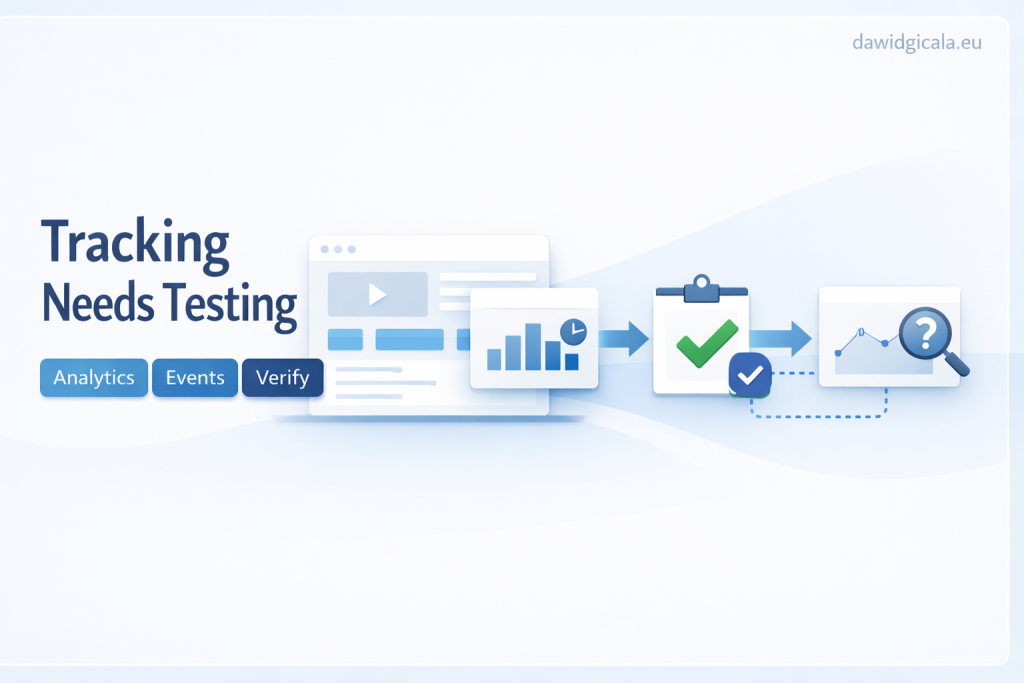
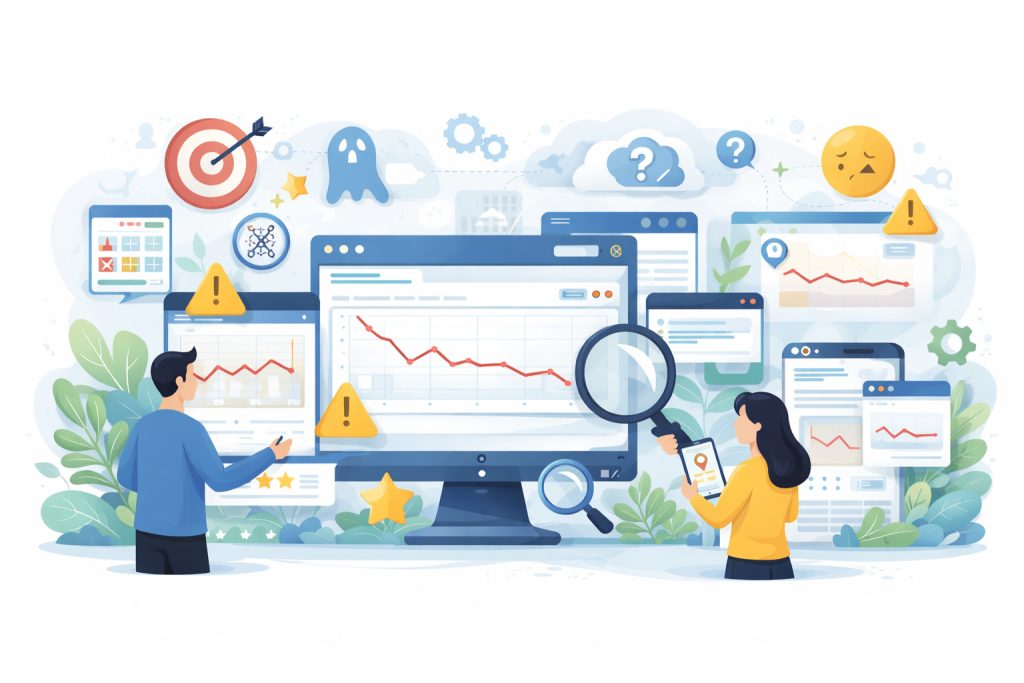
If the data doesn’t make sense, don’t assume your business is the problem. Start by checking the basics: are key actions tracked at all, are conversions firing once instead of multiple times, and is the traffic coming from real users, not bots or spam referrals. Then look at the gap between “what analytics says” and “what you see in reality.” If you get calls and emails, but analytics shows zero conversions, tracking is broken. If analytics shows conversions, but the inbox is empty, the definition of a conversion is wrong. When data is unclear, simplify. Pick one or two actions that matter most and track only those until you trust the numbers. Once the basics are correct, you can add more detail, but not before.
Who should help you set this up and why experience matters?
In many small businesses, website tracking is done “by someone who knows a bit of Google Analytics.” The problem is that measuring business impact is not just a technical setup. It’s a mix of understanding how people buy, how your offer is structured, and how the site should guide users to take action. Experience matters because most mistakes are not obvious. Tracking can look correct on the surface while still giving you misleading numbers. A good specialist will ask the right questions first, define goals in business language, and only then translate them into tracking and reporting. The point is not to create a fancy dashboard. The point is to build a simple system that your business can use to make decisions every month.
WordPress business performance – frequently asked questions
If you’re new to measuring business impact, it’s normal to feel overwhelmed by metrics and tools. The good news is you don’t need a complex setup to get real value. Start with a few key actions that matter, make sure the data is reliable, and review it consistently.
What’s the simplest way to measure business impact from a WordPress site?
Track one or two actions that equal real value for you, like contact form submissions, phone clicks, or completed orders. Then compare those numbers month to month and connect them with traffic sources.
Is Google Analytics enough for measuring real performance?
For most small businesses, yes if it’s set up properly and tracks the actions that matter. The issue is usually not the tool, but incomplete or incorrect configuration.
Why do I see traffic growth but no increase in inquiries?
Most often the traffic is not the right audience, the offer is unclear, or visitors don’t see a clear next step. Measurement helps identify where the drop happens.
What metrics should I ignore in most cases?
Vanity metrics like raw page views or time on site are often misleading on their own. They only matter if they connect to conversions or user intent.
How often should I review performance data?
Monthly is usually enough. Weekly reviews can create panic over normal fluctuations, especially in small datasets.
What should I track for a service business (not e-commerce)?
Contact forms, phone clicks, email clicks, booking requests, and visits to key “offer” pages. If possible, track which leads become real customers.
Can performance measurement help SEO decisions?
Yes. It shows which pages bring qualified leads, not just visits. That helps you prioritize content and optimization that supports business goals.
When should I hire someone to set this up?
When you spend money on marketing, when leads are inconsistent, or when you don’t trust your data. A clean setup saves time and prevents wrong decisions later.
MY SERVICES
Choose the service that fits your project
Choose the area where you need a concrete implementation, better results or further development.
Search engine optimization
Content, landing pages, internal linking and ongoing organic visibility growth.
View SEO servicesWordPress & WooCommerce Websites
New websites and online stores, technical improvements and further development.
View website servicesGoogle Ads | Offer
Campaign setup, management and ongoing optimisation.
View Google Ads servicesSponsored posts and link building
Publications, content and external links matched to your industry and project.
View link building services