Welcome to the future of website design! If you’re planning to revamp your site or create a new one, knowing the latest design trends is crucial. This article dives into five key trends that will make your site stand out in 2024. From the clean lines of minimalism to the tailored approaches of psychological design, I’ll share insights on each trend and how you can use them to enhance your online presence. Whether you’re looking to improve user experience, optimize for mobile, or boost your search rankings, these tips will help you get there. Let’s make your website not only functional but also a standout piece in the digital landscape.
Minimalistic and Clean Layouts
Minimalistic design is all about keeping it simple and clean. This style uses minimal elements to create a calm and uncluttered environment, which makes your website not just look sleek, but also work better. It’s easier for users to navigate and find what they need quickly without unnecessary distractions.
Benefits of Minimalism:
Faster Load Times: Fewer elements mean your site loads faster.
Easier Navigation: Simple layouts make it easy for users to find their way around.
Enhanced User Experience: A clean design focuses the user’s attention on what’s important – your content and your calls to action.
My Approach:
As someone who specializes in this design philosophy, I ensure that each project maximizes space and typography to create a seamless user experience. My designs are crafted to convey your brand’s message with just the right amount of visuals and text, making sure that every page resonates with purpose and clarity.
Click here to check my portfolio
Mobile-First Design
Designing for mobile before scaling up to desktop is not just a trend; it’s a necessity. With the majority of internet traffic coming from mobile devices, your site must perform flawlessly on smaller screens.
Why Mobile-First?
Priority to Mobile Users: This approach ensures that the primary experience is optimized for the majority of users.
Improved Performance: Mobile-first designs tend to be faster and more agile across all devices.
Better SEO: Google prioritizes mobile-friendly websites, so this approach helps boost your search rankings.
Implementing Mobile-First Design:
When I build websites, I start with the mobile version to ensure it’s fully functional and engaging. I test extensively on various devices and browsers to guarantee compatibility and ease of use. My goal is to create an experience that feels natural on a phone or tablet and scales beautifully to larger desktop screens.
SEO Optimization
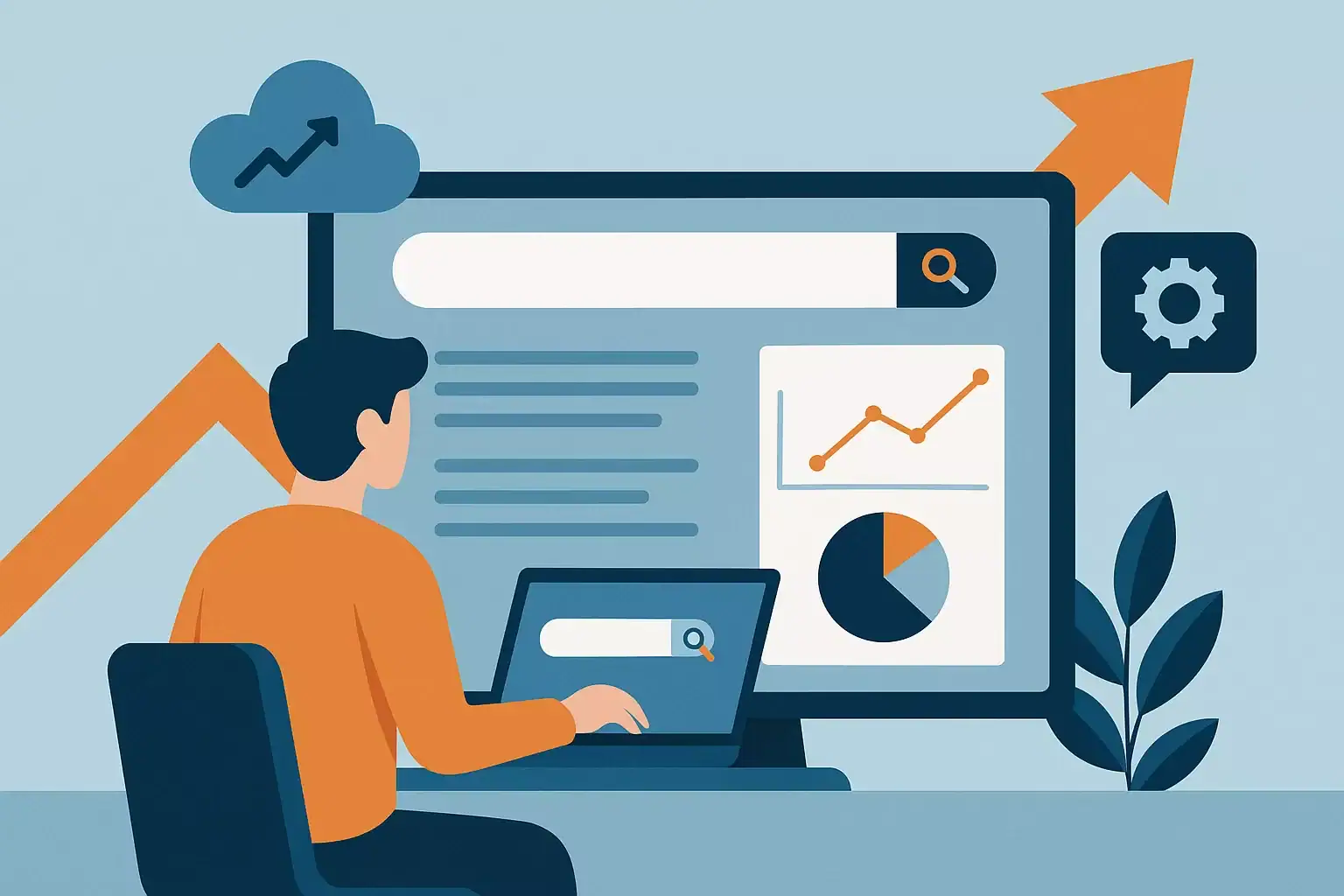
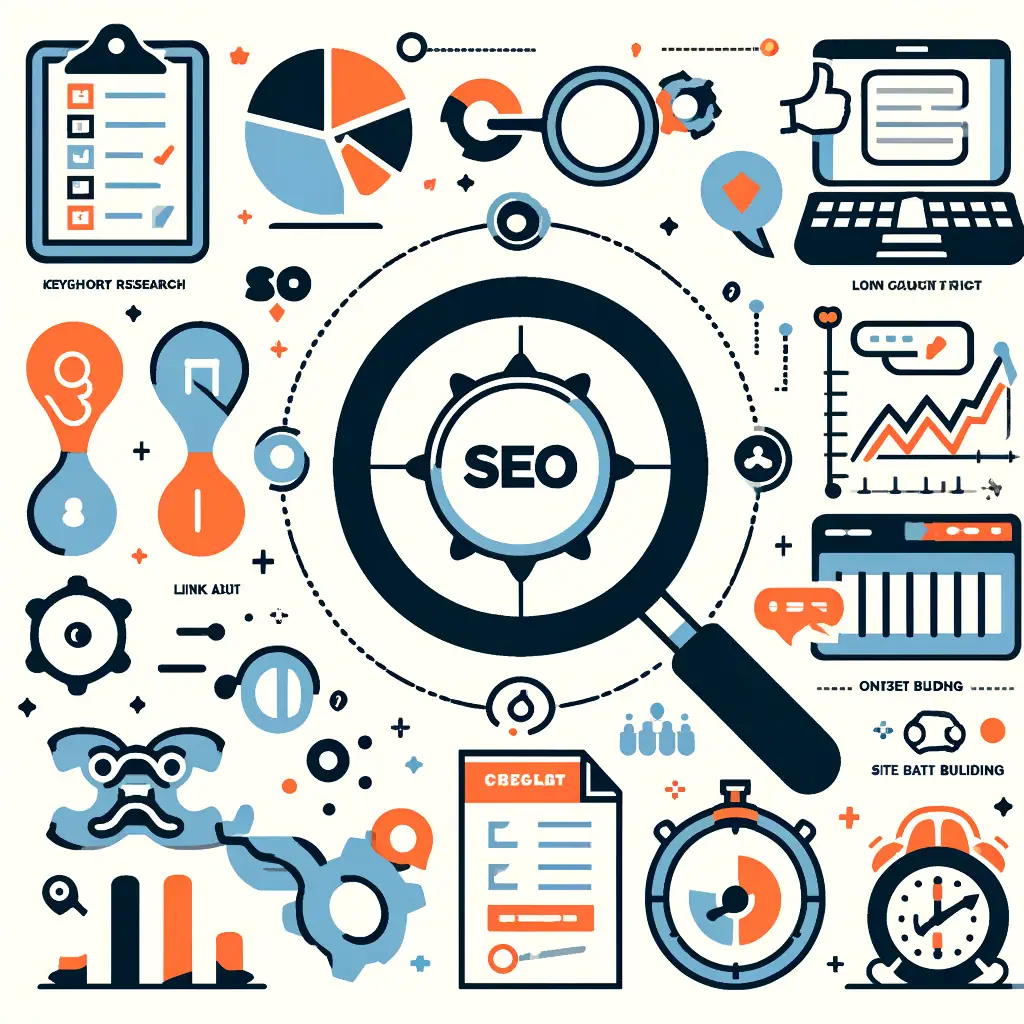
Search Engine Optimization, or SEO, is critical for any website looking to increase visibility and attract more traffic. A well-optimized website appears higher in search engine results, making it more likely that potential customers will find and click through to your site.
Key Components of Effective SEO:
Keyword Integration: Properly incorporating relevant keywords ensures that search engines understand the purpose of your content.
Site Speed: Search engines favor websites that load quickly, which also improves user experience.
Mobile Optimization: As mentioned earlier, a mobile-optimized site is crucial for SEO with Google’s mobile-first indexing.
My Specialization in SEO: As a Google SEO specialist, I focus on optimizing all aspects of your website to meet search engine standards and user expectations. I implement strategic keyword usage, enhance site speed through technical tweaks, and ensure that your site is mobile-friendly. My approach not only aims to increase your site’s visibility but also to maintain its integrity and user trust.
Psychological Design to Boost Conversions
Leveraging psychology in website design isn’t just about making things look good—it’s about creating environments that guide user behavior and encourage actions. Understanding the psychological triggers that influence how users interact with your website can dramatically improve your conversion rates.
Key Psychological Principles:
Color Psychology: Different colors can evoke different emotions and actions. For example, blue can instill trust and security, while orange is often used for calls to action because it’s associated with urgency and excitement.
FOMO (Fear of Missing Out): Incorporating elements that suggest scarcity and urgency, such as limited-time offers or low stock alerts, can compel users to act quickly.
The Paradox of Choice: Reducing the number of choices can increase conversion rates. Too many options can overwhelm users, leading them to postpone decisions or leave altogether.
Implementing Psychological Strategies: To utilize these principles effectively, I design websites that:
Use color strategically to guide users toward or away from certain actions (like subscribing or buying).
Create layouts that focus user attention on key areas with minimal distractions.
Employ clear, persuasive copy that communicates benefits and includes powerful calls to action.
My Approach to Conversion Optimization: As a designer focused on maximizing conversions, I integrate psychological insights into every project. This means designing each element of the site—not just the visuals but also the structure and content—to subtly influence user decisions. This approach has helped numerous clients achieve significant improvements in engagement and sales.


Website Design – FAQ
Addressing frequently asked questions about website design can help clarify common concerns and demonstrate expertise. Here are a few typical questions and my insights:
What is responsive design?
Responsive design means that your site looks and functions well on any device, adapting layout and content to fit screens of all sizes. It’s essential for usability and SEO.
How often should I update my website design?
Generally, a full redesign every 2-3 years or significant updates annually can help keep your site fresh and aligned with current trends and technologies. Smaller updates, like tweaking images or updating blog posts, should be done more frequently to keep your content relevant.
What’s the best way to improve website load time?
Optimizing images, leveraging browser caching, and minimizing the use of heavy scripts can significantly improve your site’s loading speed. Employing a content delivery network (CDN) can also enhance performance across geographies.
Is it worth hiring a professional for website design?
Yes, a professional designer can provide a well-structured, efficient site that offers a good user experience and meets SEO standards. They can foresee potential problems and offer solutions that might not be immediately obvious to someone without experience.