For small businesses, showing up on Google isn’t just a nice bonus – it’s a must. Most people today search online before buying anything, and if your business doesn’t appear where they’re looking, you’re losing potential customers to competitors who do.
That’s where Google website positioning for small businesses comes in. It’s not about complicated tricks or huge budgets – it’s about making smart moves that improve visibility step by step. With a bit of effort and consistency, even a small company can compete with big brands and get noticed online.
Why small businesses struggle to stand out online?
The internet is crowded. Every company wants to be seen, but few know how to reach the right people. Big brands dominate paid ads, while smaller ones often get buried in search results. The good news is that visibility doesn’t depend only on budget. With the right strategy and consistency, small businesses can compete, and win in organic search.
What “Google website positioning” really means
Many people think positioning is the same as ranking, but it’s not. Ranking is about where your page appears for a specific keyword. Positioning is broader – it’s how your business shows up across Google: Maps, organic results, snippets, and even image search.
In short, Google website positioning is about controlling how your brand is found and perceived online. It’s not just about one keyword – it’s about visibility everywhere your customers might look.
Google website positioning for small businesses – focus on the basics
Most small companies don’t need complicated SEO tricks. What matters is having a fast, mobile-friendly website, clear structure, and content that matches what people actually search for. Make sure every page loads quickly, has a simple headline, and uses plain language. These basics tell Google your site is trustworthy, and that’s the first step toward better Google website positioning for small businesses.
Local SEO – the easiest way to start ranking
For most small businesses, the quickest way to appear in Google is to focus on local SEO. Create or update your Google Business Profile, add clear contact details, and make sure your business name, address, and phone number are the same everywhere. Local searches like “bakery in Krakow” or “plumber near me” are where most conversions happen – people searching locally are ready to buy, not just browse.
Content that brings customers, not just clicks
It’s not about writing long blog posts full of keywords. The goal is to help, not to impress. Answer real questions, explain your process, share examples of your work. Google rewards useful content that keeps people reading and clicking deeper into your site. A few honest, detailed articles can do more for your rankings than dozens of generic posts written just for SEO.
Why consistency beats big budgets
Many small businesses start strong, then stop updating their websites for months. SEO doesn’t work like that – Google loves activity. Publishing one new article per month, refreshing your service descriptions, or adding recent photos can make a bigger impact than a one-time “SEO package.” Regular updates signal to Google that your business is alive, active, and worth showing.
Building trust through Google website positioning for small businesses
SEO isn’t only about visibility – it’s about credibility. When your business consistently appears in search results, people start trusting it more. Add real photos, display customer reviews, and keep your information updated.
Google values transparency and rewards businesses that show real experience. That’s why positioning is not just a technical task; it’s also a way to build relationships with potential clients before they even visit your site.
Track your progress and learn from data
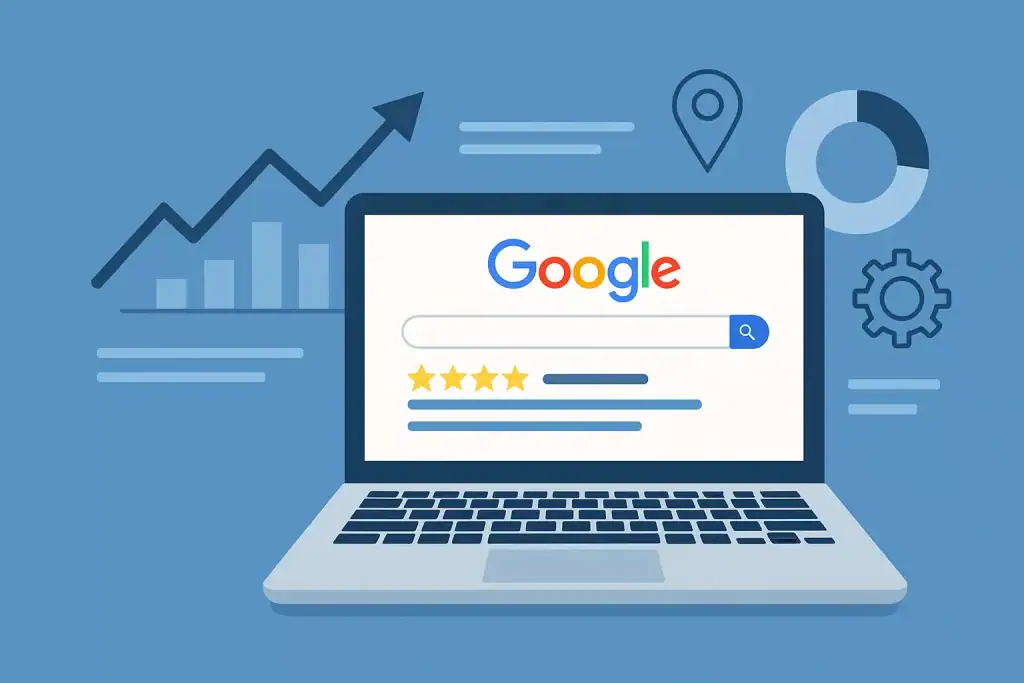
You don’t need to be a data analyst to measure what’s working. Google Search Console and Analytics can show which pages attract visitors and which need improvement. Check your stats once a week – it takes five minutes but gives you valuable insights that help you make smarter decisions over time.
Common mistakes small businesses make with SEO
One of the biggest mistakes is chasing quick results. Cheap backlinks, copied texts, or stuffing keywords everywhere might seem like shortcuts, but they usually do more harm than good. Another common issue is ignoring mobile users – more than half of all traffic now comes from phones. If your site looks bad or loads slowly on mobile, you’re losing both visitors and rankings.
Turning visibility into growth
Getting traffic is great, but turning it into real business growth is the goal. When people find your company on Google and see a clear, trustworthy website, they’re far more likely to contact you. That’s the power of SEO done right: it brings in customers who are already looking for what you offer, not random clicks. Focus on clarity, trust, and easy navigation and you’ll see that even a small website can bring consistent results.
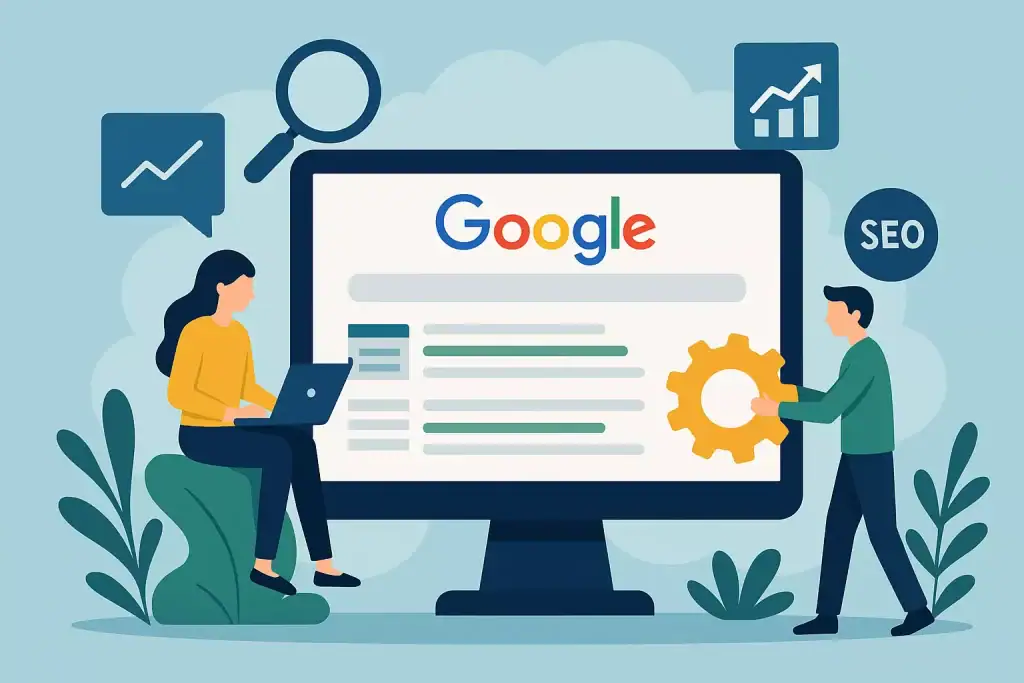
Google website positioning for small businesses – most common questions
Many business owners know SEO is important but aren’t sure where to start or how long it takes to see results. Here are some of the most common questions people ask when thinking about improving their Google visibility.
How long does it take to see SEO results?
Usually between 3 and 6 months, depending on your industry, competition, and consistency.
Is SEO better than paid ads?
They work differently, ads bring quick results, but SEO builds long-term, stable visibility that lasts.
Can I do SEO myself?
Yes, if you have time to learn the basics and stay consistent. Small steps make a big difference over time.
How much does SEO cost for small businesses?
It varies, but even a small monthly budget can work if focused on the right areas, content, structure, and local visibility.
Do I need backlinks to rank?
Yes, but quality matters more than quantity. A few good, relevant mentions are worth more than hundreds of spammy links.
What’s the difference between SEO and Google website positioning?
They overlap – “positioning” means improving your place in search results through SEO and consistent content work.
Why does Google keep changing my ranking?
Rankings fluctuate because Google constantly updates how it evaluates content, speed, and user experience.
Is SEO a one-time job?
No – it’s an ongoing process. The web changes fast, and staying visible means keeping your site active and updated.